


Post Processing
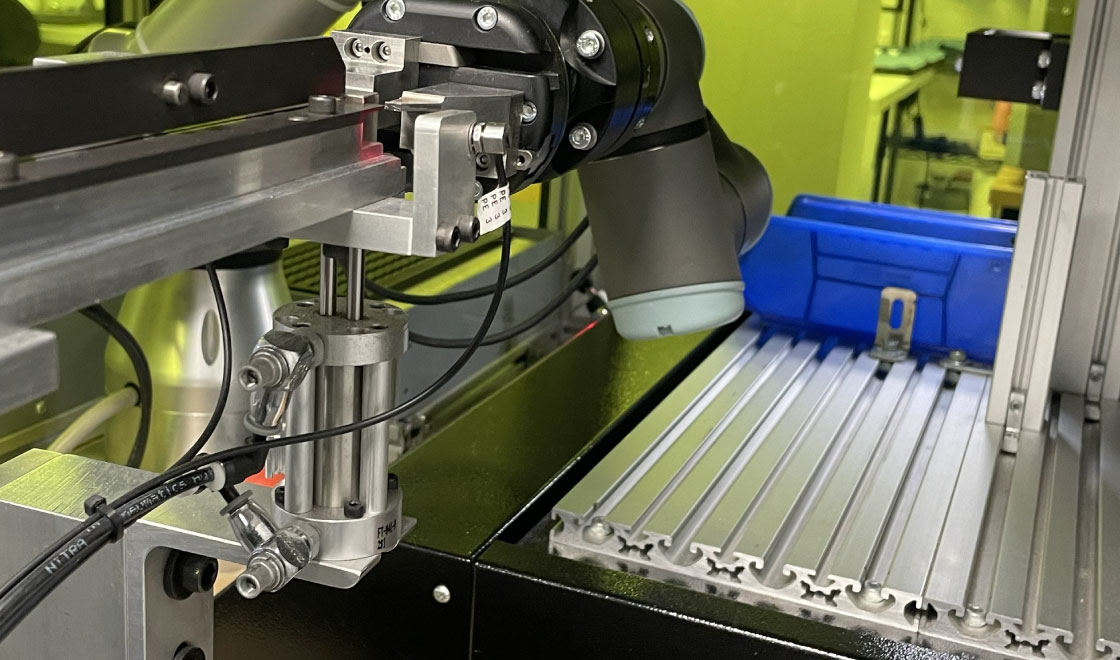
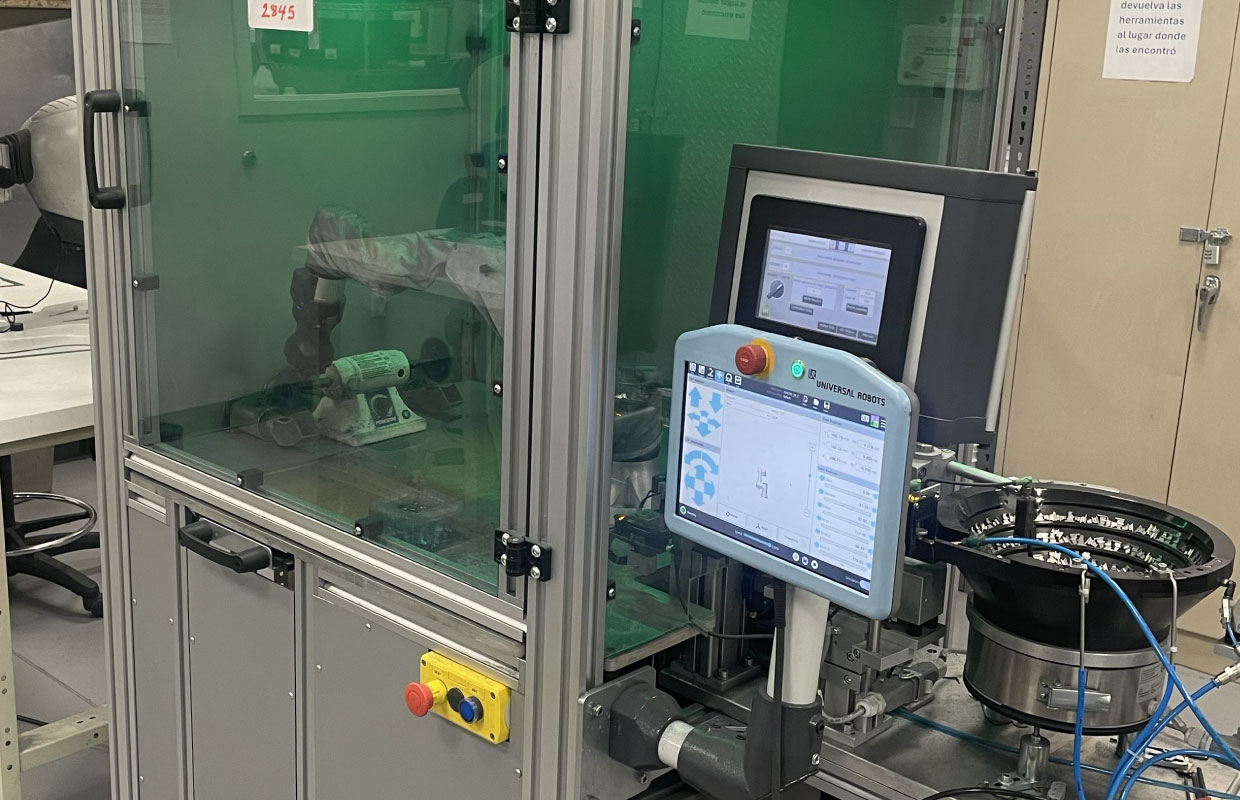
AFP’s post-processing capabilities involve a series of finishing steps applied after the primary manufacturing or forming of a component. These steps enhance performance, ensure biocompatibility, comply with regulatory standards, and prepare the part for final assembly or sterilization.
AFP’s post-processing capabilities include:
Analytical cleaning: AFP scientifically validates processes to ensure that analytical instruments are free from contaminants—such as residues from manufacturing, cleaning agents, lubricants, or biological material—before they are packaged, sterilized, or used in the laboratory. This step removes particulates and residues from small flow channels or precision parts.
Deburring and turning: these processes play an important role in the manufacturing of precision components for analytical instruments. AFP’s robotic deburring and buffing processes remove sharp edges, burrs, or residual material left from machining to ensure smooth assembly and prevent flow obstruction. Our turning process shapes cylindrical or rounded components with high accuracy and precision.
Blasting: an important surface treatment in component post processing, AFP’s process involves propelling abrasive materials at a device surface to clean, texture, or prepare it for further treatments (such as coating, bonding, or sterilization).
Automated lapping: AFP’s precision surface finishing process achieves extremely tight tolerances, smooth surface finishes, and component flatness. Our automated lapping delivers consistent results, higher throughput, and better process control.
Automated polishing: our precision surface-finishing process enhances the smoothness, cleanliness, and performance of components. AFP’s automated polishing ensures repeatability, tight surface quality tolerances, high productivity, and compliance with regulatory standards.